A year ago, our house ran on a schedule I had never actually chosen. Mornings were a race from the alarm to the front door. Evenings were a scroll through other people’s days. Weekends were for catching up, which meant they were spent tired. Nothing was badly wrong. The house was fine. It was simply never allowed to be quiet.
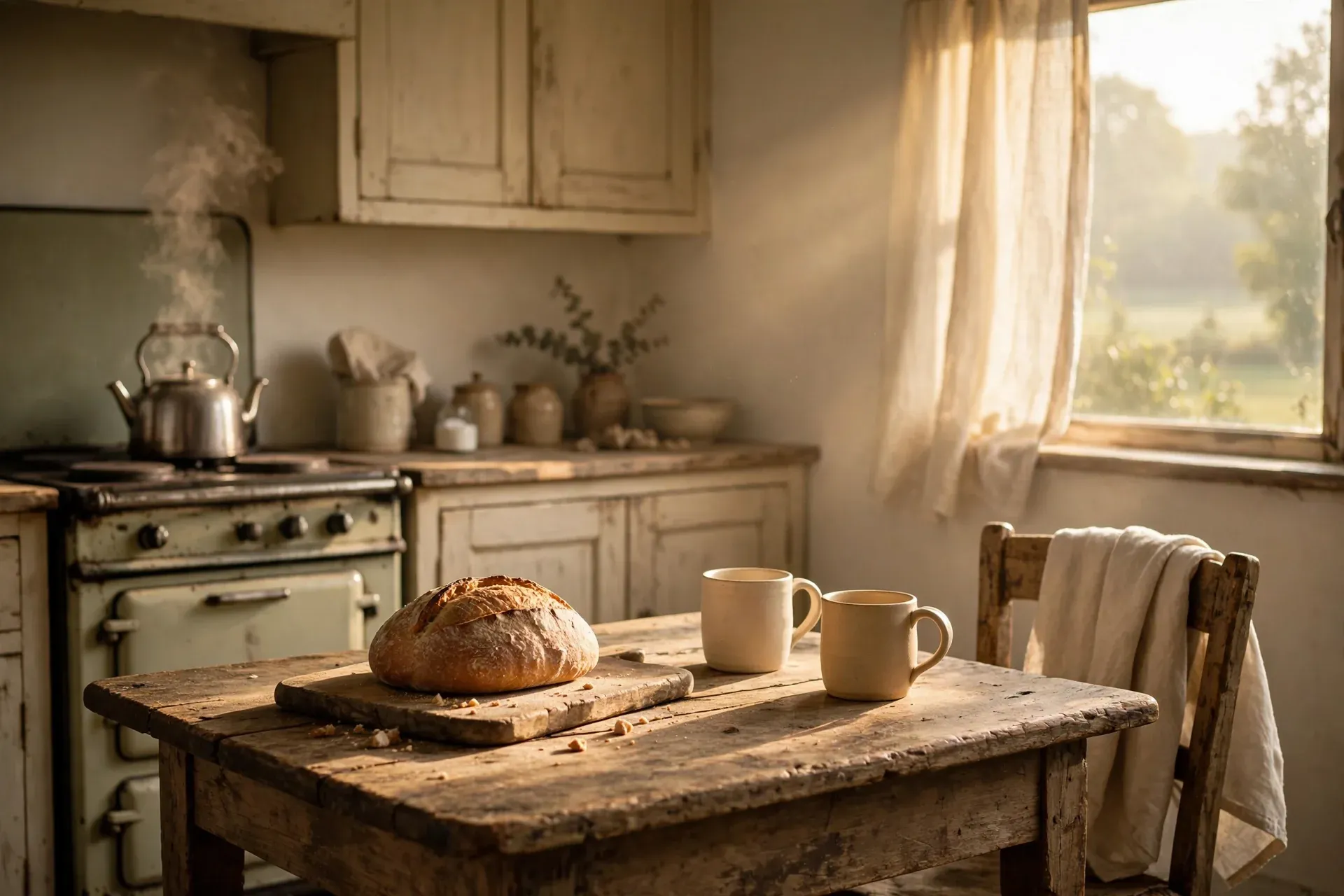
I did not set out to change everything. I started with one small rebellion: the kettle. Instead of rushing the first ten minutes of the day, I decided to stand at the kitchen window while the water heated and do nothing else. No phone. No list. Just the window, the steam, and the garden waking up past the glass. That small pause changed the shape of my whole year.
What followed was not a plan so much as a string of small experiments. The phone went into the kitchen drawer until the tea was made. Bread got baked on Sundays because the oven warms the whole room in winter. A mending basket appeared beside the armchair. None of these felt important at the time. Together, they quietly rebuilt how our days feel.
This is what slow homemaking has come to mean to me: the practice of keeping house at a human pace. Mornings that start gently, rooms that follow the seasons, things that are mended instead of replaced, and days with a little margin left in them. Here is what twelve months of living that way taught me.
Mornings Set the Pace
Almost everything I know about keeping house slowly, I learned before eight in the morning. The house tells you what it needs at that hour, if you are still enough to notice. The kettle clicking off. Light coming sideways through the east window. The cat choosing the exact patch of floor where the sun lands first. I used to miss all of it because I was already three tasks ahead in my head before my feet touched the floor.
My rule now is a simple one: the first twenty minutes of the day belong to the house, not the phone. The phone stays in the kitchen drawer until the tea is made. I open the back door even on cold mornings, just long enough for one breath of outside air. I wipe down the table left from last night instead of leaving it for later. None of this takes long. But it sets a pace, and the rest of the day tends to keep it.
The odd thing is how much the morning gives back. Breakfast stopped being fuel and became a meal again, eaten sitting down, at the table, while it is still quiet. I started noticing which corner of the kitchen gets the light first and moved my chair accordingly. Small things, but by nine o’clock the house feels settled in a way it never did when I launched myself into the day like a starting gun had fired.
I should be honest: not every morning is golden. Some are grey and rushed and I burn the toast and the cat knocks over the plant. Perfection was never the point. What matters is the shape of the morning. A calm start is a kind of promise you make to the house, and to yourself: we are not in a hurry here.
Let the House Follow the Seasons
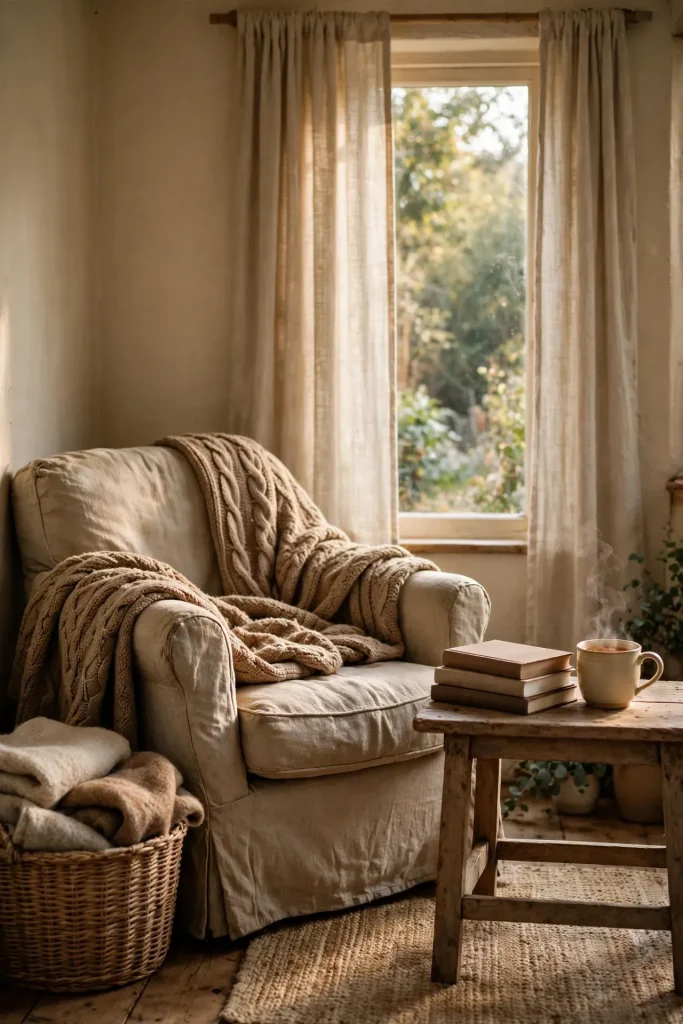
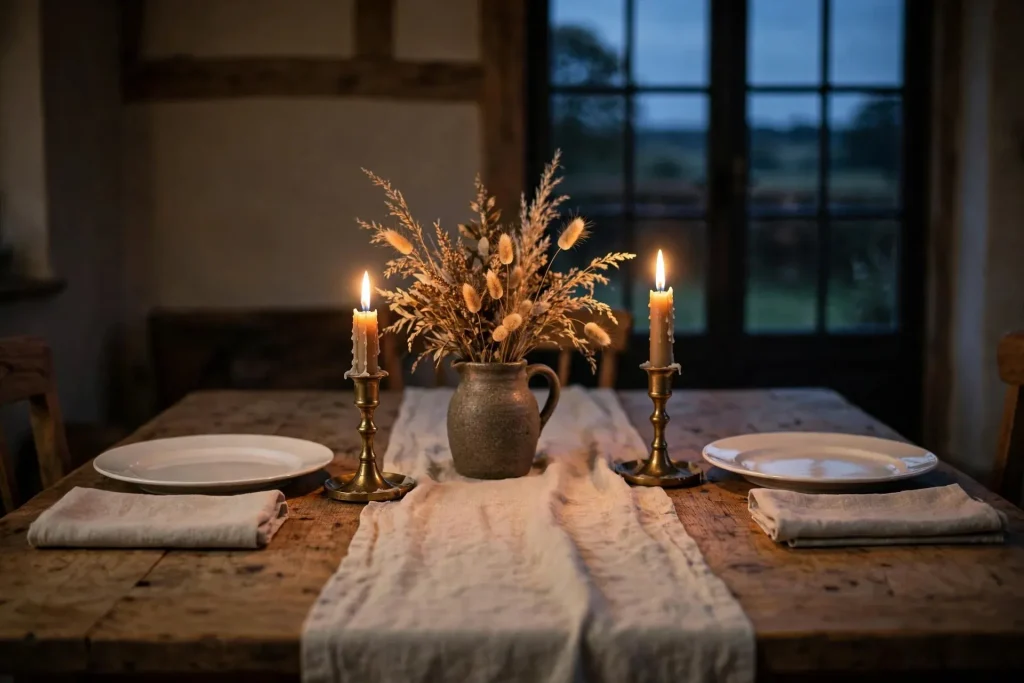
The second thing this year taught me is that the house already knows what time of year it is, and it is happier when I listen. In spring I wash the windows and swap the heavy curtains for plain linen ones that move in the breeze. In summer the table shifts closer to the back door and supper gets simpler. In autumn the wool throws come out and the brass candlesticks return to the mantel. In winter the lamps go on at four in the afternoon and nobody apologizes for it.
This can look like decorating from the outside, but it feels more like rhythm from the inside. A house that changes a little with each season never goes stale, and it never needs a grand makeover either. Small shifts, a different cloth on the table, greenery cut from the garden instead of bought from the shop, keep everything feeling alive without any big spending or big effort.
The kitchen keeps the same rhythm. In winter I bake bread on Sundays, partly for the bread and partly because the oven warms the whole ground floor for hours. In the hot months I barely cook at all: herbs, salads, things eaten outside while the light lasts. I am not a remarkable cook. I just cook what the season is offering, and the season does most of the work for me.
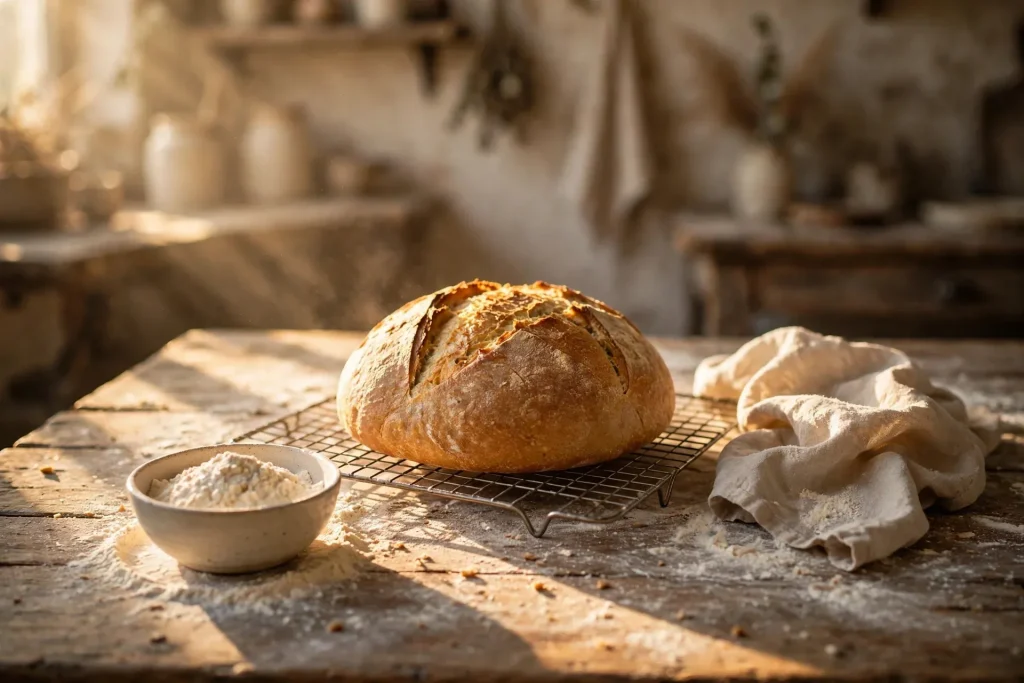
The table follows suit. I set it by the season now: linen and candles when the evenings draw in, plain cotton and a jug of whatever is flowering when they stretch out. It takes five minutes and it changes how the meal feels. A table that notices the season makes an ordinary Tuesday supper feel considered, and nobody at it can quite say why.
There is a practical side to all this, too. Seasonal living spreads the work of the house across the year instead of piling it into frantic weekends. Curtains get washed when they come down in spring. The pantry gets sorted when the preserves go in during autumn. The house maintains itself in small seasonal doses, and I rarely face one of those dreaded whole-house overhaul days anymore.
Care for What You Own
Somewhere around the middle of the year, I stopped buying replacements and started repairing things, and I think this might be the true heart of slow homemaking. The wooden spoons get oiled when they look thirsty. The brass candlesticks get polished twice a year, and they glow afterward as if they are grateful. I taught myself to darn socks, badly at first, then well enough that the mends look almost deliberate.
Here is the part I did not expect: the things I care for have started to look better than the things I bought new. The old oak table, scrubbed and waxed for years, has a depth that no new table can imitate. The linen napkins, washed a hundred times, are softer than anything currently in the shops. Care turns out to be a kind of finish that money cannot buy.
This habit quietly changed how I shop, too. When you know you will mend a thing, oil it, and keep it for a decade, you buy differently. You choose the heavy pan over the light one, the solid chair over the flat-packed one, the real linen over the lookalike. Fewer things, better things, kept for a long time. The house has started to feel collected rather than decorated, and nearly every object in it carries a small history.
The mending basket has become one of my favorite pieces of furniture, which is a sentence I never expected to write. It sits beside the armchair, and on Sunday afternoons I work through it slowly: a hem, a button, a frayed cuff. It is useful, of course, but it is also restful in a way scrolling never was. My hands are busy, my mind is quiet, and something broken becomes whole again.
I have also learned that caring for things teaches patience in a way nothing else quite does. You cannot rush beeswax into wood or hurry a darn into neatness. The work sets its own speed, and you either match it or make a mess. After a year of matching it, I find I rush less everywhere else, too.
Leave Margin in the Day
The hardest lesson was also the simplest one: leave white space in the day. For years I scheduled every hour and then wondered why the house felt frantic even when it was tidy. I have come to believe that a tidy house with no margin in it is just a quiet kind of busy, and it wears you down all the same.
So now I protect one unscheduled hour the way I used to protect appointments. Sometimes it becomes a walk down the lane at dusk, when the light goes gold and the birds make their evening noise. Sometimes it is twenty minutes in the armchair with tea and a book. Sometimes it is nothing at all, which might be the most useful version of all. The house seems to breathe easier on days with margin in them. I know I do.
I also learned to say “not today” to things that could honestly wait. The spare room can be painted next month. The garden border will survive until the weekend. The laundry does not care if it waits until morning. Slow homemaking was never about doing everything at a crawl. The point is choosing what deserves your hours today and letting the rest keep until tomorrow.
Perhaps the biggest shift is that rest stopped feeling like something I had to earn. It used to sit at the end of the list, after every chore was done, which meant it rarely arrived. Now rest is part of the homemaking itself, as much a part of the day as the cooking and the cleaning. A rested keeper keeps a calmer house. That is not indulgence. It is maintenance, the same as oiling the spoons.
What a Year of Slow Taught Me
A year on, the house looks much the same as it did. That surprised me. I had expected slow homemaking to change the rooms, but it changed the hours instead. Same kitchen, same table, same windows. But the days inside them feel longer and kinder, and that turned out to be the thing I was actually hungry for.
If I had to gather the year into a few plain truths, they would be these. Start the morning gently, and the day will usually follow. Let the seasons decide more than the shops do. Mend what you own, and it will outlast what you could buy. Leave margin, because a full life needs empty hours the way a room needs an empty wall.
The kettle still takes the same four minutes to boil. I still stand at the window while it does, watching the garden wake up. Some mornings I think about how little has changed. Some mornings I think about how everything has. Both are true, and both are fine. That might be the whole lesson, right there.